

.avif)
Company:
Fitmo
Role:
UX/UI designer
(solo designer on the team)
Work I did:
UX/UI design
User research
User testing
Design system
Supporting Fitmo's transition to a corporate wellness model through redesigning the mobile experience around trust, personalization, and engagement.
01/
Background
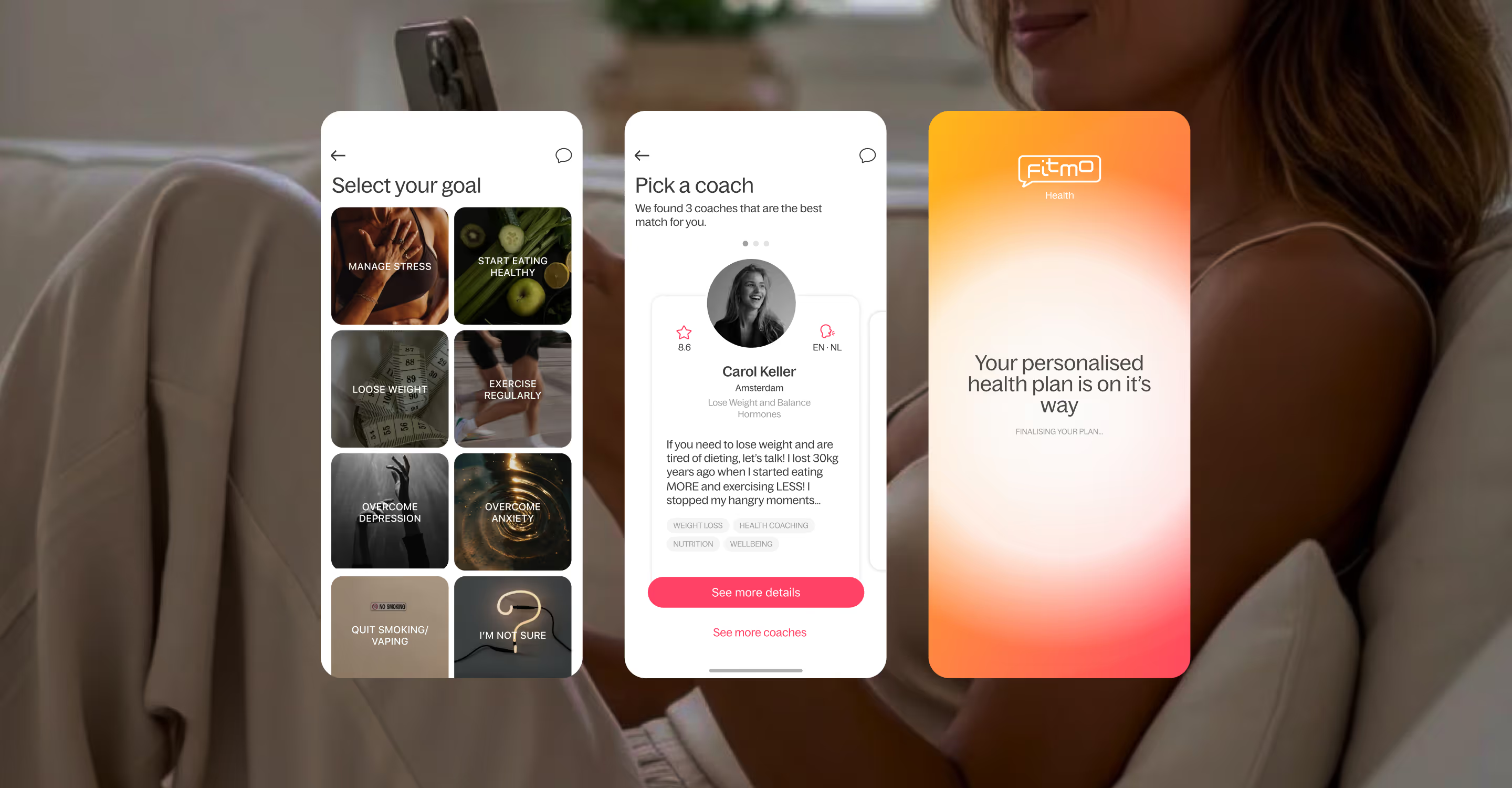
When I joined, Fitmo was a fitness coaching app that connected users with professional coaches. Originally built as a direct-to-consumer subscription app, the company was shifting toward an employer-sponsored model, where organizations would offer Fitmo as a wellbeing benefit to their employees.
This changed the product strategy and direction. The app needed to move beyond a generic fitness app and become a borader health coaching companion, supporting employee wellbeing. As the sole product designer on the team, I owned the redesign of the mobile app and translated this strategic shift into the product experience.
02/
Problem Statement
As Fitmo shifted to an employer-sponsored wellbeing model, the existing product no longer met the needs of its new audience. UX audits, analytics and research revealed that the existing experience lacked the trust, personalisation, and engagement needed for long-term coaching success.
03/
Vision
Evolve Fitmo from a fitness app into a trusted, personalized wellbeing companion that helps employees stay engaged, supported, and motivated throughout their health journey.
04/
Discovery
With limited time and budget for formal research, I used a lean discovery approach to quickly understand the business shift, evaluate the existing product, and identify the biggest opportunities
UX/UI Audit & Data reivew
I began by conducting a comprehensive UX audit of the existing product, evaluating the onboarding experience, core user flows, interface patterns, and overall usability to identify the highest-impact opportunities for improvement.
Legacy app designs
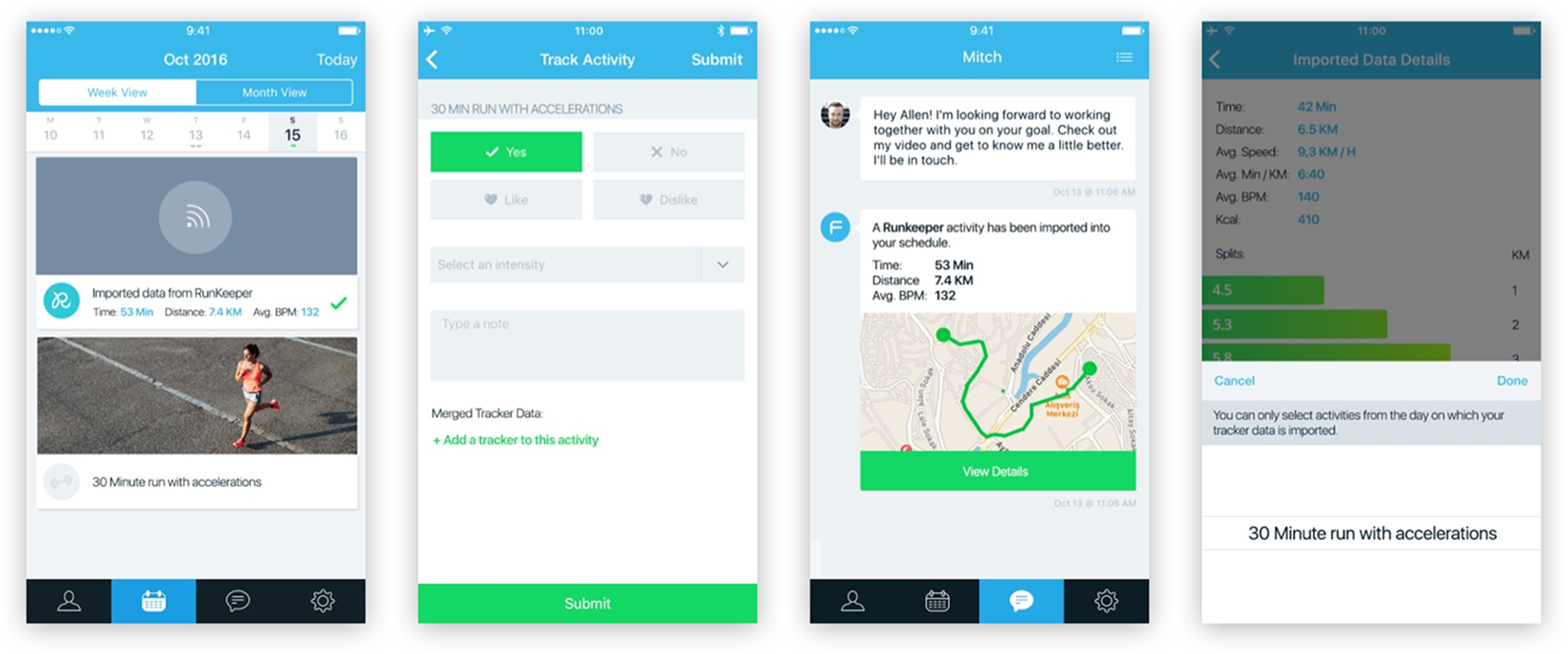
Key issues identified:
- Onboarding created unnecessary friction, making it difficult for users to understand the product's value before being asked to invest time and share personal information.
- Progress tracking failed to reinforce achievement, leaving users without a clear sense of momentum, accomplishments, or what to do next.
- Weak engagement loops made retention harder, with limited reasons for users to return between coaching interactions.
- Inconsistent UX/UI patterns and accessibility issues.
- Limited chat functionality weakened the coaching relationship.
Research
Additionally I gathered information from stakeholder interviews, market research, and lightweight user research. The goal was to validate where the existing experience was falling short, learn about the new target users and identify product opportunities.
Internal discovery
I aligned with stakeholders on the business model shift, product goals, known user pain points, and assumptions behind the move toward employer-sponsored wellbeing programs.
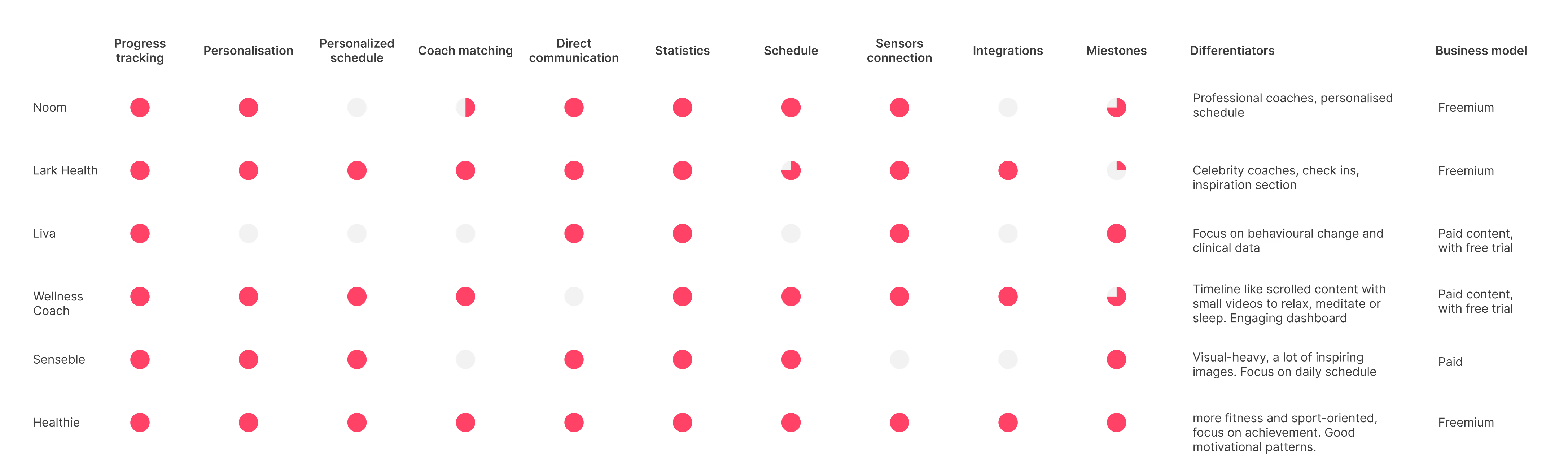
Competitor research
I reviewed online health and wellbeing apps to understand common patterns around onboarding, habit formation, coach communication, progress tracking, and trust-building.
Lightweight user research
I did user interviews with 10 people to better understand the new end-user context.
Competitor analysis
Persona & user journey map
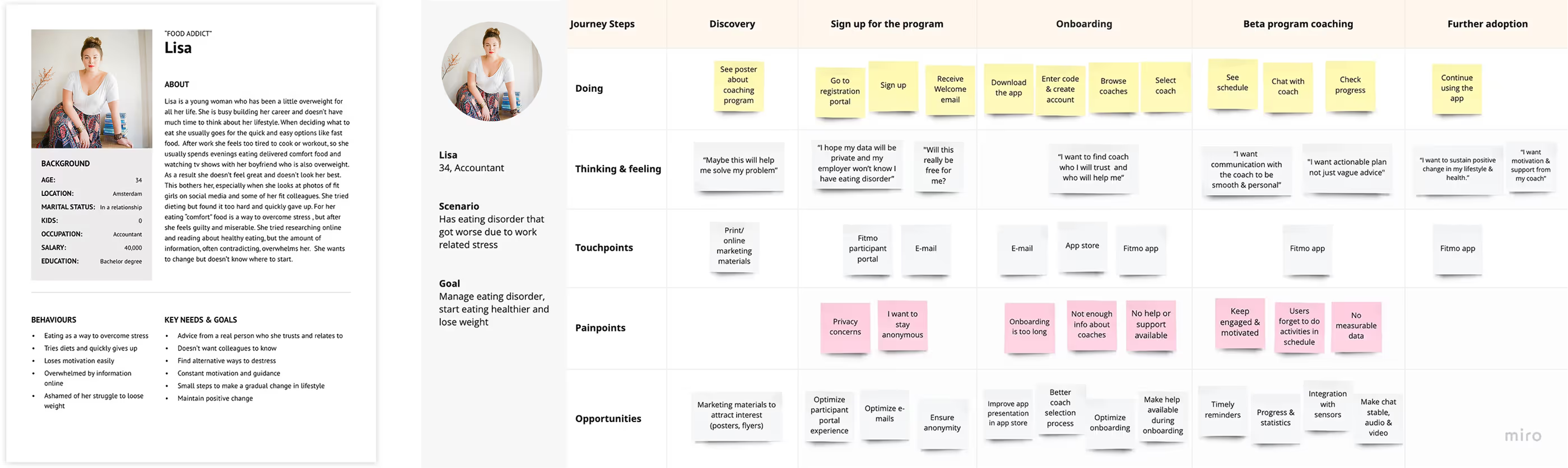
Key insights
discovery
Employees were skeptical about employer-sponsored wellbeing apps and how their personal & health data would be used

design opportunity
Create privacy-focused onboarding & build trust before asking for sensitive information
discovery
Choosing the right coach felt more important than choosing a plan
design opportunity
Improve coach selection by helping users to compare, understand and choose the right coach with confidence
discovery
Users didn't want generic health advice, they wanted accountability, support, and personalized guidance
design opportunity
Make coach communication more accessible and guidance more actionable, relevant, and personalised
discovery
Users needed visible progress and meaningful feedback to stay motivated between coaching interactions
design opportunity
Create an experience that reinforces progress, builds motivation, and encourages long-term engagement
05/
Defining product strategy
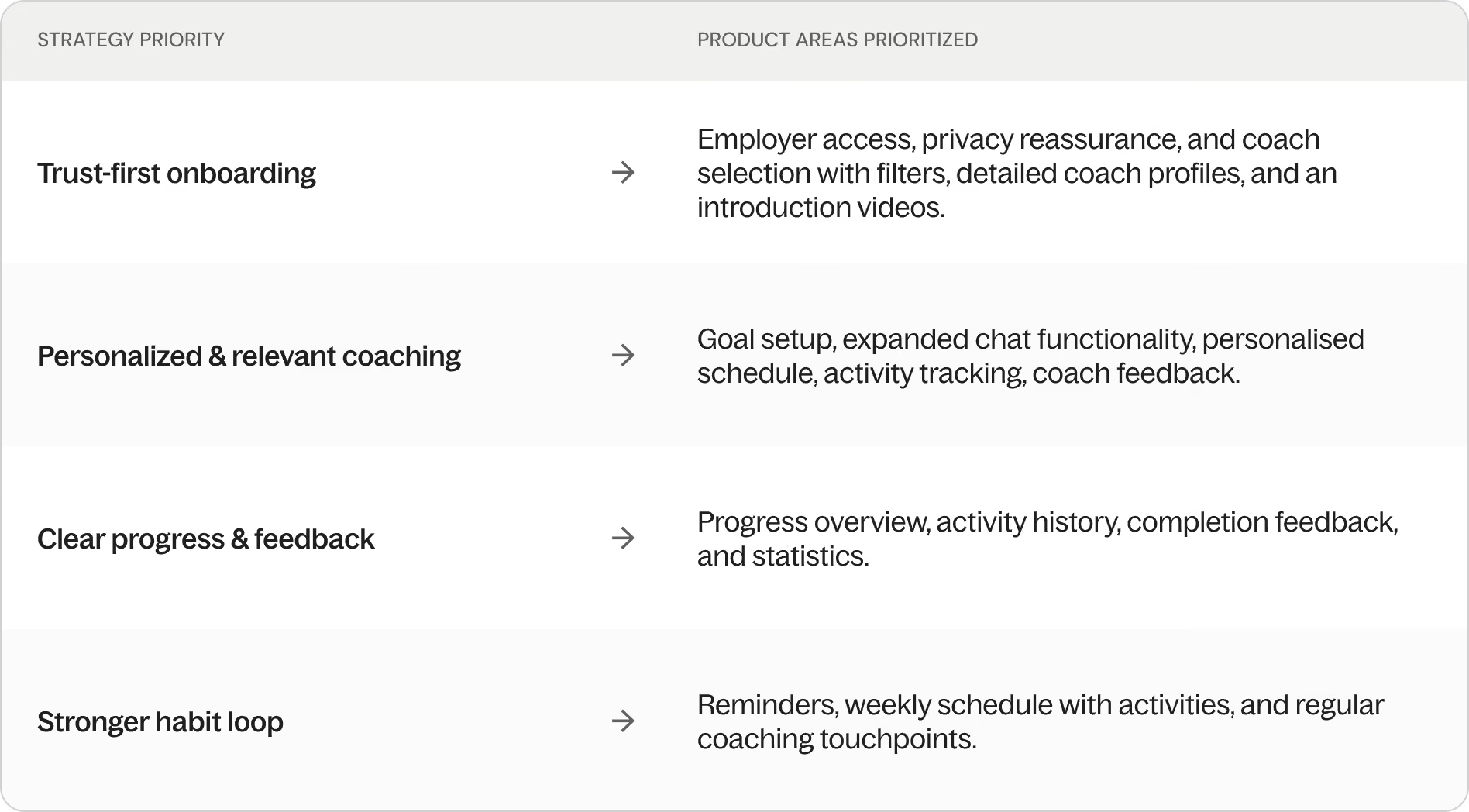
Based on the discovery findings, together with the team we defined the redesign around 4 product priorities:
1/ Trust-first onboarding
Make the first-time experience feel clear, reassuring, and easy to complete, especially in the context of employer-sponsored access and personal health data.
2/ Personalized coaching experience
Help users feel that the coaching journey is relevant to their individual goals and needs. and improve coach communication,
3/ Clear progress & feedback
Help users understand where they are in their wellbeing journey, what they’ve completed and achieved, and whether their effort is leading somewhere.
4/ Stronger habit loop
Create a more motivating experience that gives users clear reasons to return, continue, and stay engaged between coaching interactions.
06/
Defining scope
Given time and budget constraints, we made deliberate trade-offs: reusing existing flows and patterns where they still worked, while redesigning the areas that had the biggest impact.
Opportunity → feature mapping
MVP scope
Together with the team, I used a prioritization matrix to assess each potential improvement against user impact, business value and implementation effort. This helped us define an MVP redesign scope.

Task flows
I mapped the core user flows to help clarify how users moved from first-time setup into ongoing engagement.
onboarding flow

activity completion flow

07/
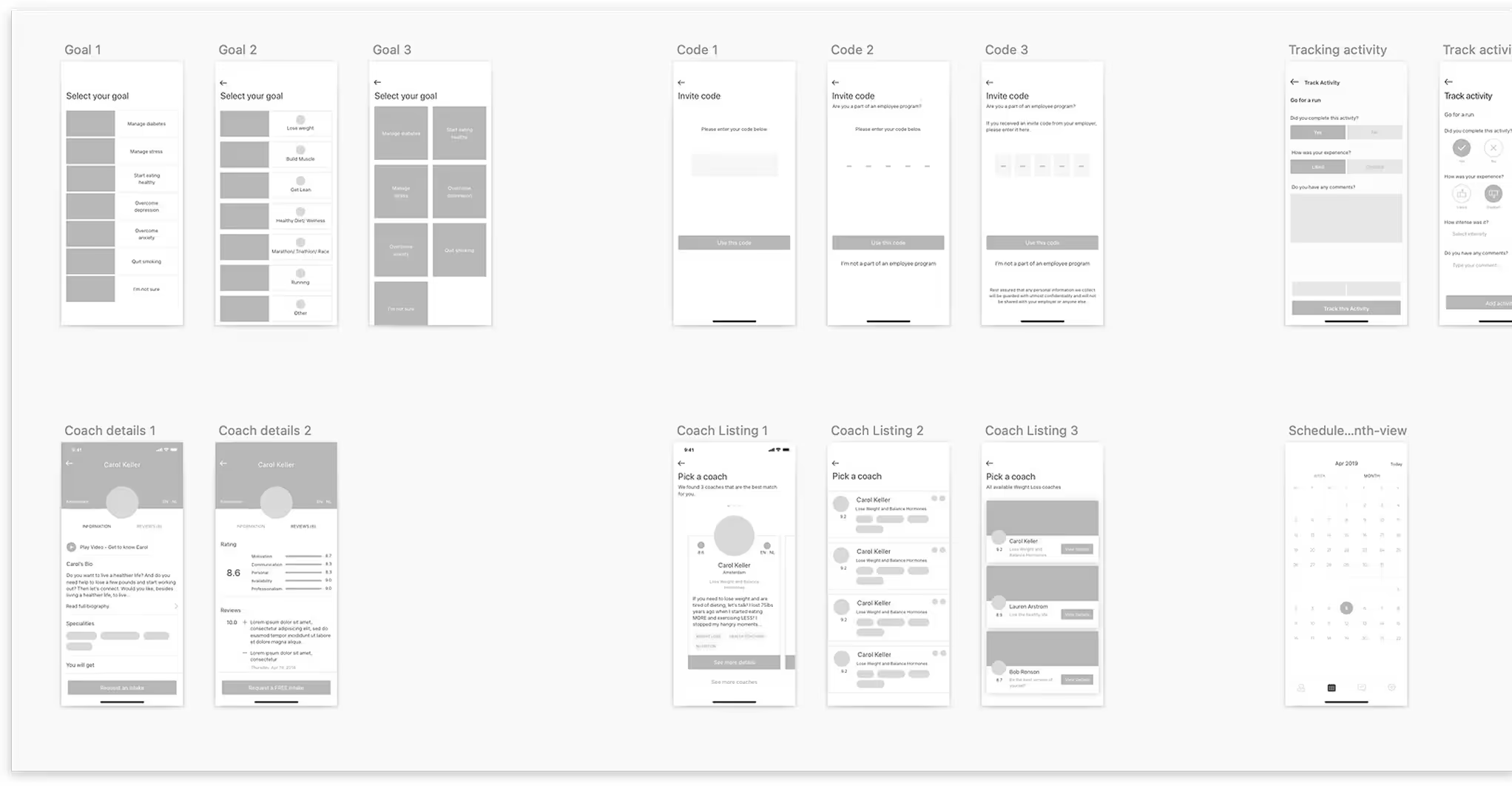
Wireframing
Once the scope and flows were defined, I started exploring concepts and sketching ideas for a new interface aligned with the product’s updated positioning and goals. Resource constraints meant I needed to thoughtfully reuse and adapt parts of existing designs.
08/
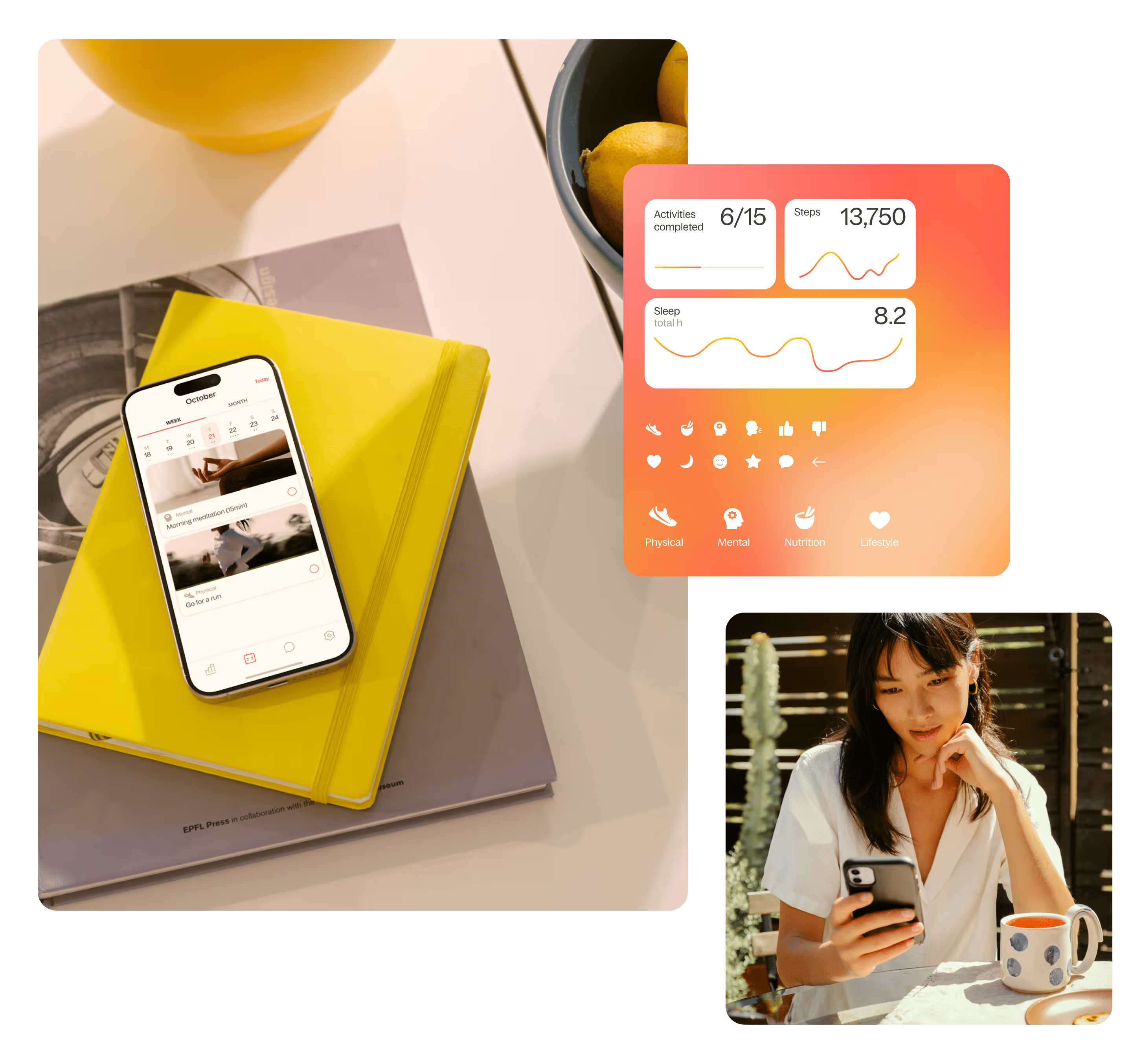
Visual language & design system
I redefined Fitmo’s visual identity to resonate with a new audience of lifestyle-conscious users. By blending premium, high-energy imagery with a clean but vibrant UI, the new visual language shifts the app from a generic fitness app to a warm wellness companion.
Because Fitmo needed to work across iOS and Android, I created a shared design system from scratch with platform-specific component variants.
09/
Final designs
onboarding
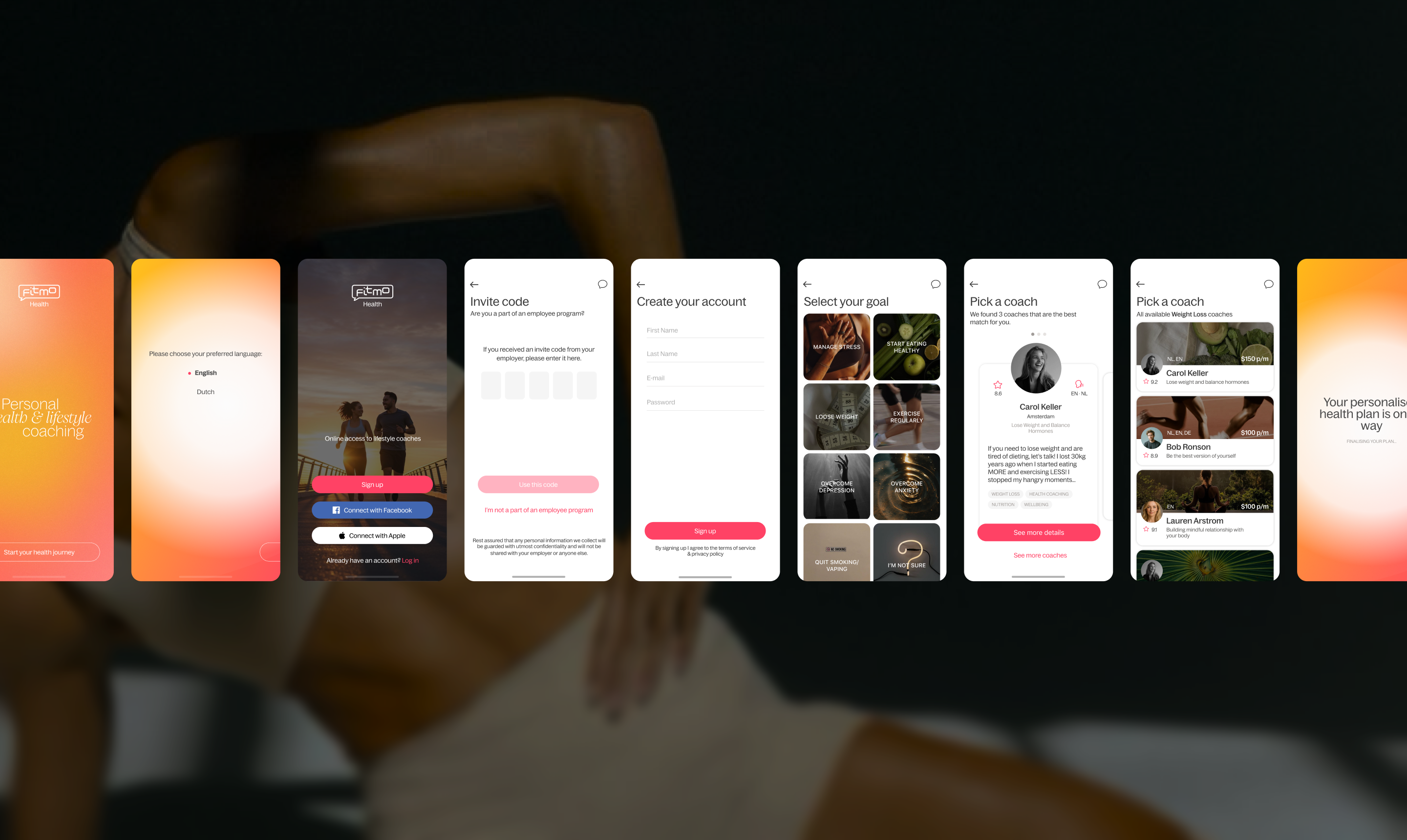
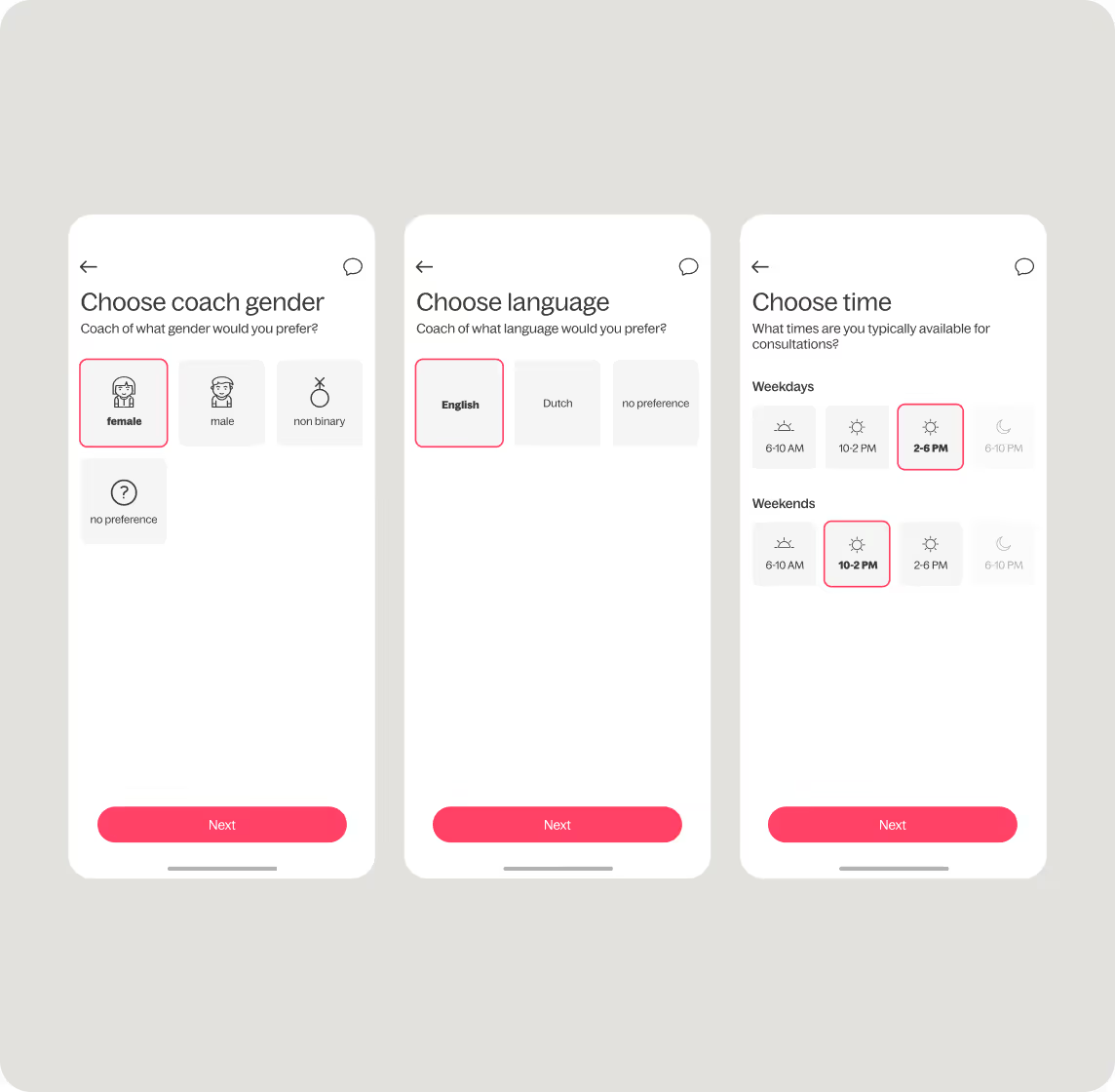
Tailored matching filters
Research showed that for sensitive health topics, users feel most at ease with coaches who share their native language or gender. To make the discovery process more intuitive, I introduced granular filters for gender, language, and real-time availability
Coach profiles
To make coach selection feel more personal and trustworthy, I redesigned coach profiles with richer information, intro videos, and community reviews — helping users understand each coach’s expertise, style, and fit before committing.
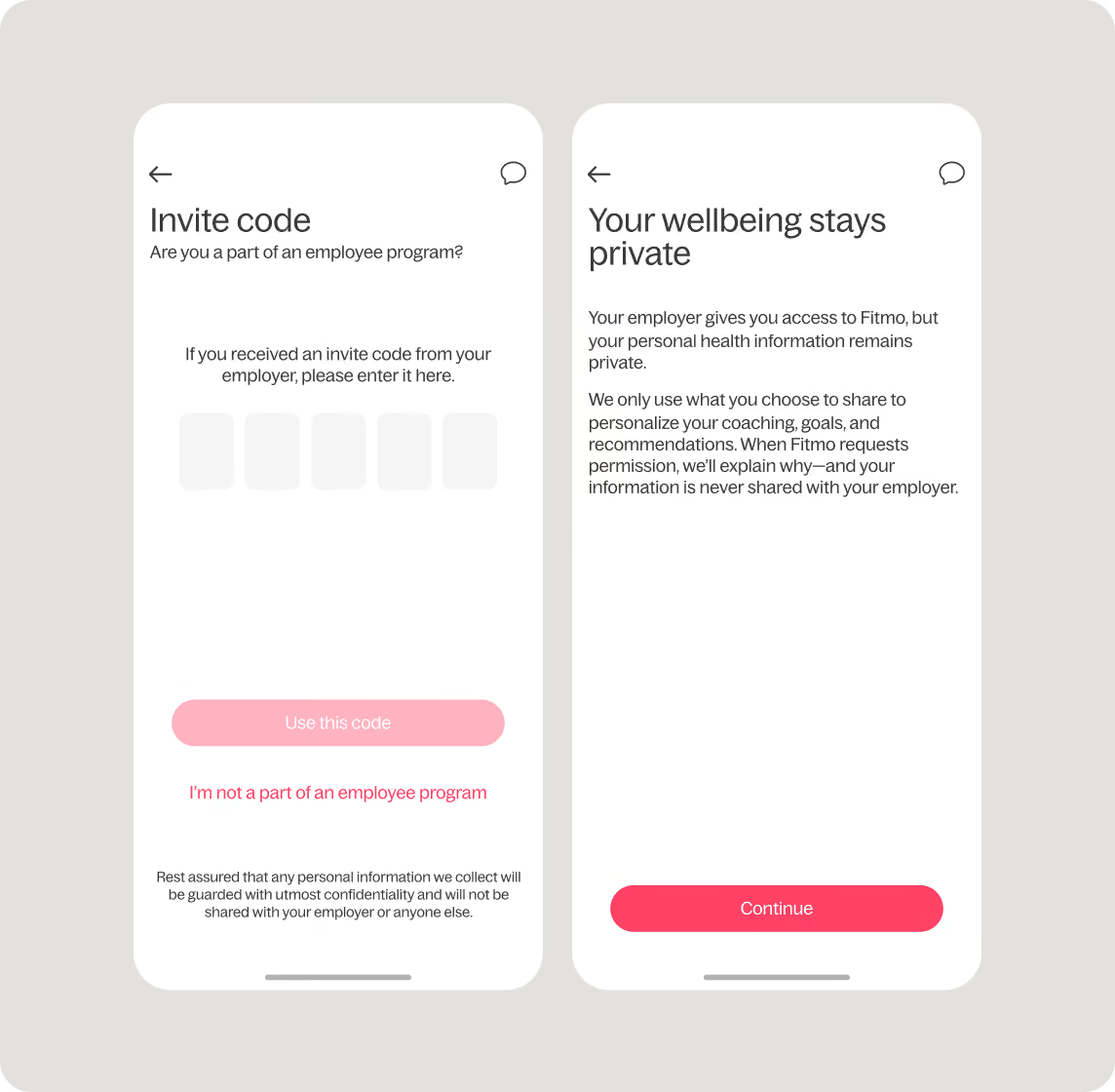
Building trust
Introduced a dedicated trust moment during employer-sponsored sign-up, clarifying that personal health data stays private and is only used to personalize the coaching experience.
app
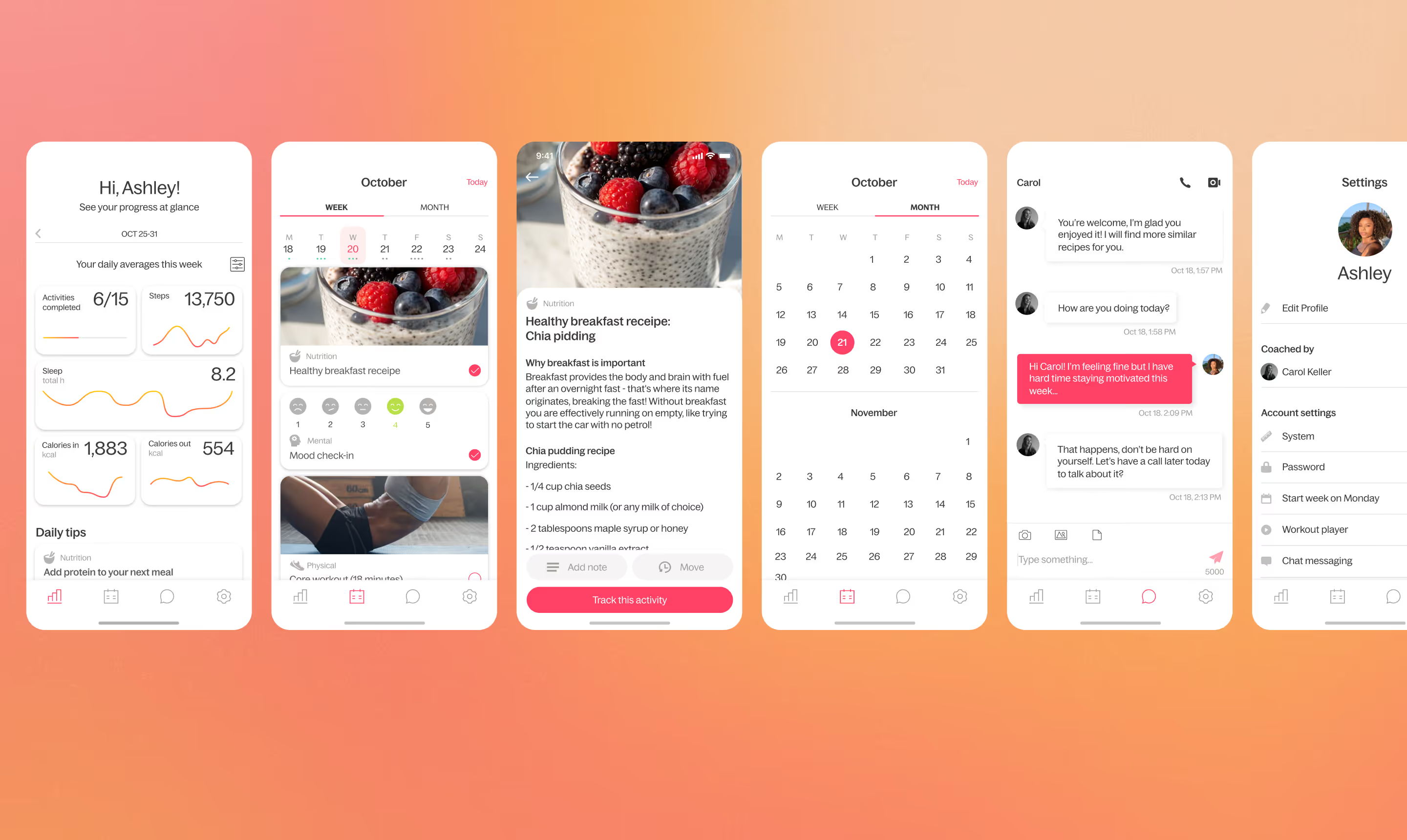
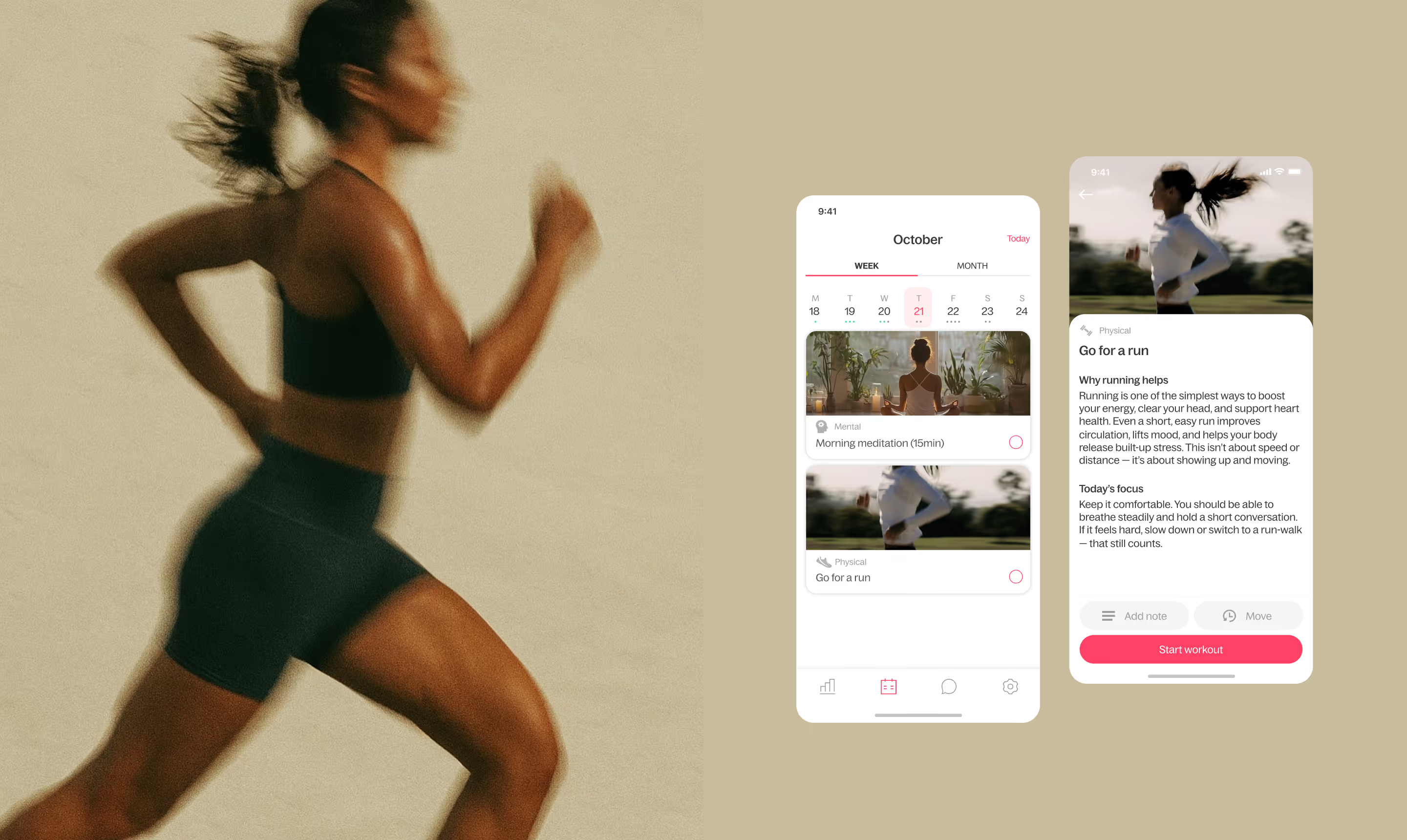
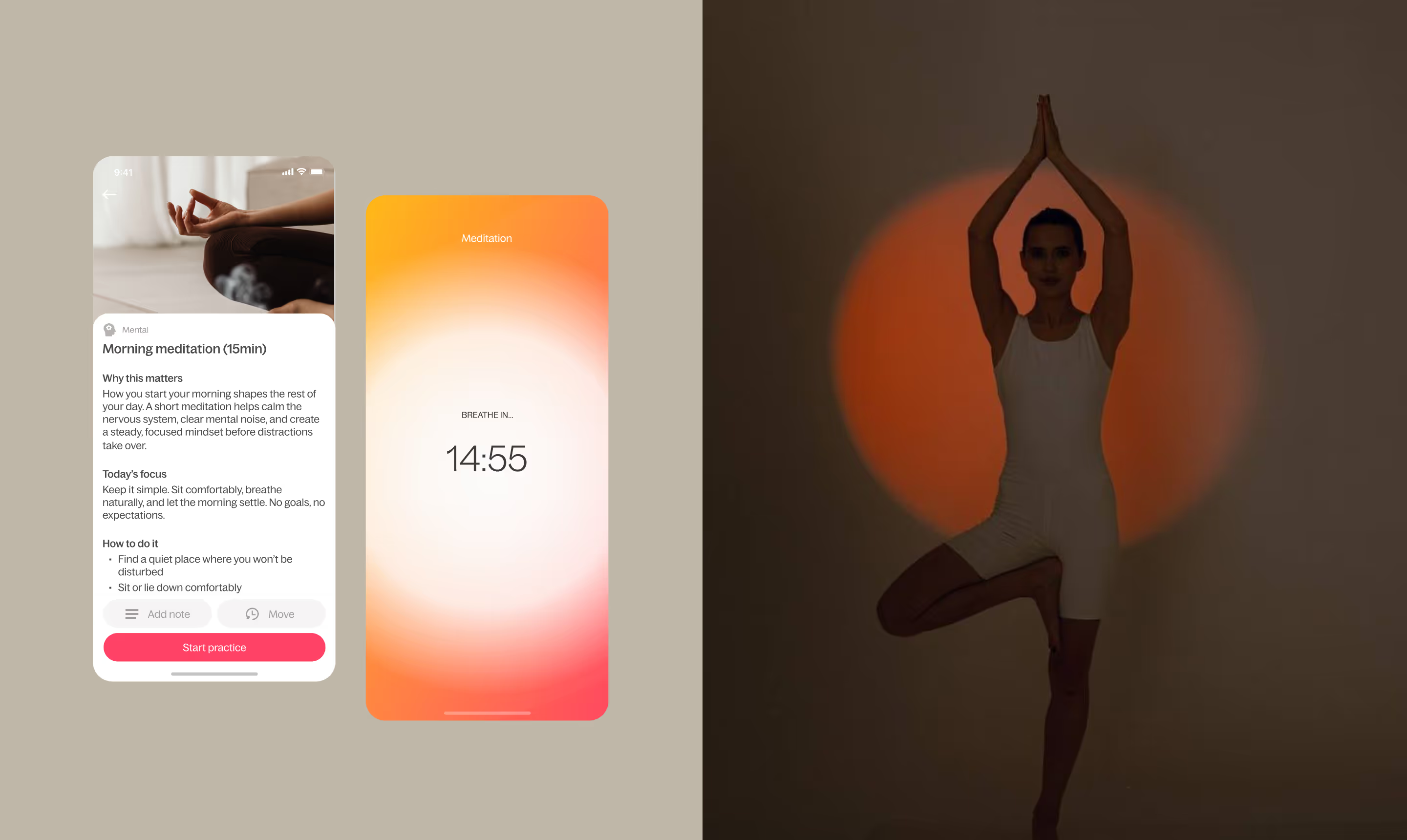
Personalized schedule & activities
The experience centers on a personalised coach-created daily schedule, translating expert advice into immediate action.
By showing tailored activities—from physical training to mental wellness—the app provides a clear, structured path toward user's health goals.
Visualizing progress & momentum
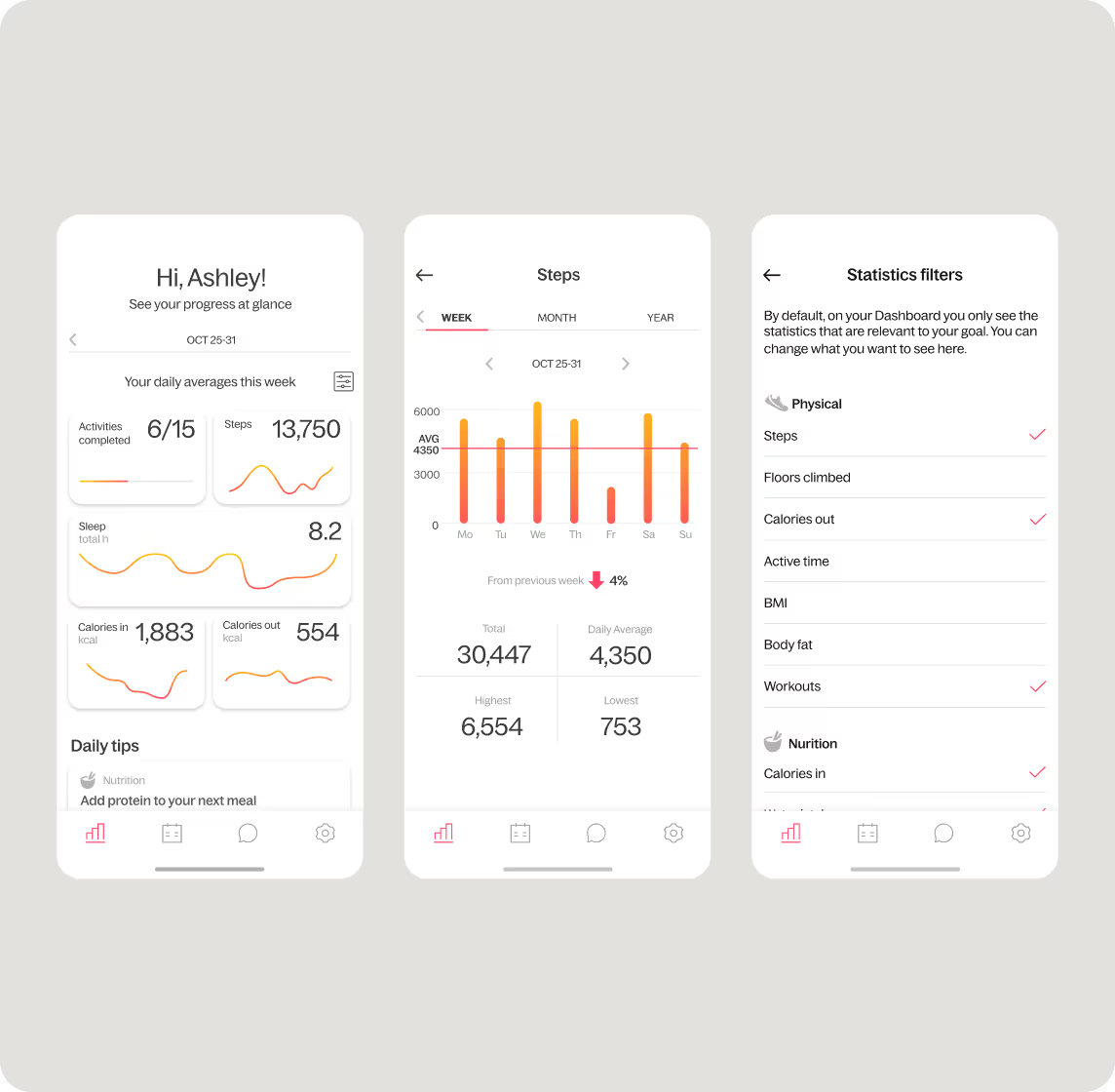
I redesigned the core dashboard and introduced a statistics layer to help users understand what they had completed, how their activity was changing over time, and where to focus next.
This centralized hub ensures that progress is always visible, actionable, and personally relevant.
10/
Outcomes
- High program adherence
Designed engagement-focused coaching experience that drove strong user retention and achieved a 78% beta program completion rate. - Achieved exceptional usability score
Coaching mobile interface earned a 83 SUS score—significantly outperforming industry benchmarks for healthcare platforms. - Contributed to the B2B pivot validation
The company ran a beta programme in partnership with leading Dutch universities, demonstrating measurable health improvements for employees. - Direct impact on business viability
Company successfully secure a new round of venture funding.
11/
Learnings
- Learned to be flexible and adaptable as the product direction evolved.
- Working as a UX team of one gave me hands-on experience managing the entire design process, from research to final delivery.
- Saw firsthand how user research reveals insights you’d never uncover otherwise. Learned to conduct lean user research even with tight timeframes and small budget.
- Learned to embrace constraints rather than resist them. Reusing parts of the existing design became a creative challenge that sharpened my focus on what really mattered for users and the business.